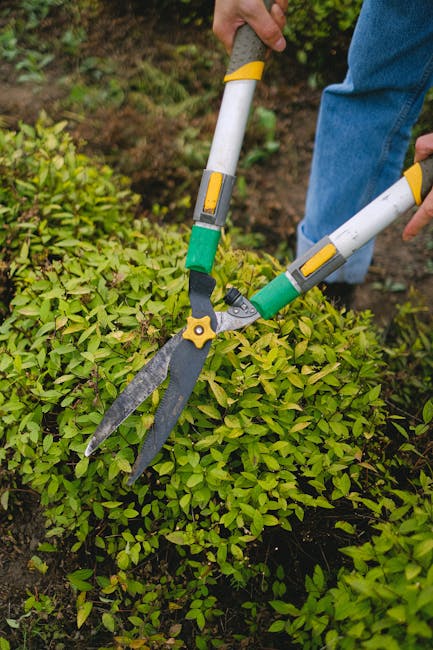
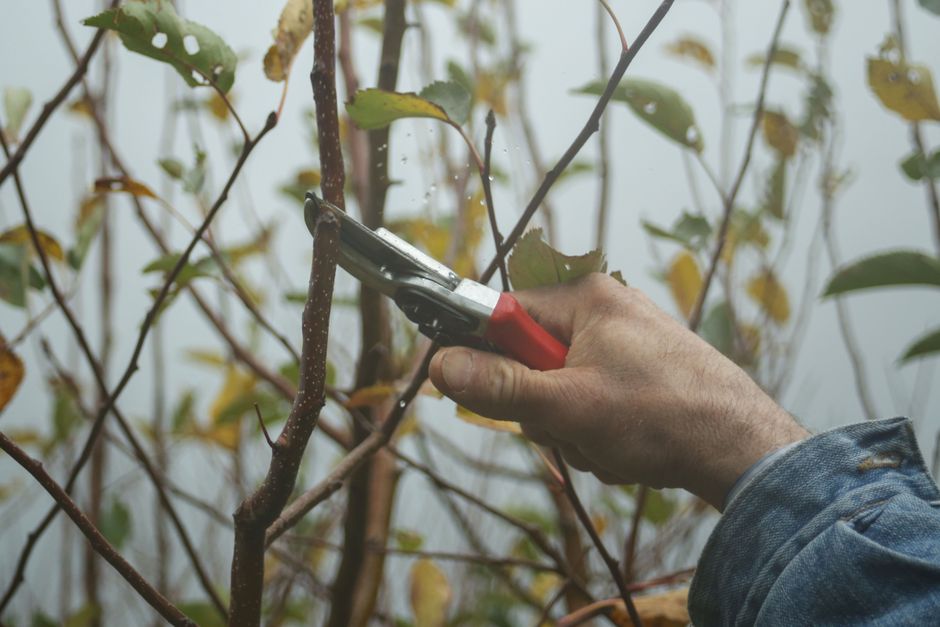
What Lambeth Council Rules Mean for Pruning and Hedges
If you live in Lambeth and your hedge is suddenly looking a bit wild, you are not alone. One week it frames the garden neatly; the next, it is leaning over the pavement, shading next door, and making the front of the house feel untidy. What Lambeth Council rules mean for pruning and hedges is really about understanding where everyday garden maintenance ends and where neighbourly responsibility, safety, and council expectations begin. In plain English: you can usually cut and shape your own hedge, but you also need to think about boundaries, visibility, access, wildlife, and whether the growth is causing a problem off your property. This guide breaks it all down in a practical way, without the jargon.
Whether you are deciding how hard to cut back an overgrown hedge, dealing with an awkward boundary line, or trying to avoid a complaint, the details matter more than people expect. And yes, a neat hedge can save a lot of grief. Funny how a few branches can create a whole weekend's worth of drama.
Table of Contents
- Why Lambeth Council rules matter for pruning and hedges
- How hedge pruning rules typically work in practice
- Key benefits and practical advantages
- Who this is for and when it makes sense
- Step-by-step guidance
- Expert tips for better results
- Common mistakes to avoid
- Tools, resources and recommendations
- Law, compliance, standards, and best practice
- Options, methods, or comparison table
- Case study or real-world example
- Practical checklist
- Conclusion
- Frequently asked questions
Why Lambeth Council rules matter for pruning and hedges
Hedges sit in that awkward middle ground between private gardening and public responsibility. You may own the plant, but once it starts affecting the street, a shared path, a neighbour's light, or a boundary, it stops being just a personal gardening choice. That is why council rules and local expectations matter.
In Lambeth, as in other London boroughs, hedge issues tend to fall into a few common buckets:
- overgrowth onto pavements or paths
- reduced visibility for drivers, cyclists, and pedestrians
- complaints from neighbours about light, access, or boundary encroachment
- maintenance problems around front gardens, driveways, and shared edges
- concerns around safety and tree or hedge work near public areas
If you have ever walked down a terrace street and had to duck under a hedge with shopping bags in both hands, you already understand the issue. It is not just tidiness. It is access. It is safety. It is being considerate to the people around you.
One practical point that is easy to miss: councils usually do not want to police healthy garden care. They want hazards, nuisance, and repeated neglect dealt with. So the question is rarely "can I prune this hedge?" and more often "is the hedge becoming a problem for someone else?"
That distinction matters. If you get it right, you avoid neighbour disputes, reduce the chance of a council complaint, and keep your garden looking sharp without doing more work than necessary. If you get it wrong, a small job can turn into a fairly irritating mess. Been there, or seen it, more than once.
How hedge pruning rules typically work in practice
There is no single one-line answer that covers every hedge situation, because the practical rules depend on where the hedge sits, how it is affecting others, and whether any extra protections apply. Still, the logic is fairly straightforward.
First, identify ownership and boundaries. If the hedge is entirely within your garden, you are usually responsible for its upkeep. If it sits on a boundary, matters can get a bit more delicate, especially where both households have an interest in the hedge or where the boundary line is not obvious. A front hedge beside a pavement is different again, because public access and visibility are in play.
Second, think about impact. Ask yourself a few honest questions:
- Is it blocking a pavement, gate, doorway, or sightline?
- Is it dropping branches onto a neighbour's side?
- Is it causing shade, loss of access, or a sense of enclosure?
- Does it need regular attention rather than one-off cutting?
Third, consider the type of pruning. Light trimming, shaping, and keeping a hedge below a sensible height are usually routine maintenance tasks. Heavy reduction is different. Once you start cutting hard into woody stems, you may stress the plant, leave ugly gaps, and create a longer recovery period. That is especially true with mature hedges. A quick trim is one thing. A major rescue job is another thing entirely.
There is also a timing issue. Many hedge and pruning jobs are best planned around nesting birds and general plant health. In real life, this means checking carefully before cutting, rather than assuming every month is fine just because the hedge looks shaggy. A hedge can look untidy and still be home to active wildlife.
If the work feels beyond basic maintenance, it may be better to treat it as part of broader garden maintenance or arrange specialist hedge trimming. For larger, more awkward green spaces, a coordinated approach through services overview can make the job feel less like a battle and more like a plan.
Key benefits and practical advantages
Following Lambeth-focused hedge pruning expectations is not just about avoiding complaints. It genuinely improves how a property works day to day.
- Safer access: Clear pavements, paths, and driveways reduce the chance of people brushing past thorny branches or stepping into the road.
- Better kerb appeal: A crisp hedge can make even a modest front garden look cared for.
- Fewer disputes: Regular trimming is much easier than arguing after growth becomes unmanageable.
- Healthier plants: Steady pruning is usually kinder to hedges than occasional brutal cuts.
- More control: You can keep shape, height, and spread within sensible limits.
There is also a quiet benefit people do not always mention: pruning at the right time gives you a sense of control over the garden again. It is a small thing, but walking outside and seeing a hedge that behaves itself changes the mood of the whole place. A bit dramatic? Maybe. True? Absolutely.
If you are already dealing with other maintenance jobs, pairing hedge care with lawn mowing or broader tidying can make the garden feel finished rather than half-done. For properties that have become cluttered over time, garden clearance may be the more realistic first step before shaping anything properly.
Who this is for and when it makes sense
This topic matters to a lot more people than just keen gardeners. In Lambeth, hedge rules and pruning responsibilities often come up for:
- homeowners with front or rear hedges
- tenants responsible for basic outdoor upkeep
- landlords preparing a property for viewings or inspections
- housing managers and caretakers
- neighbours dealing with shared boundary growth
- people trying to keep a property tidy before sale or rental
It also matters if you have little time, limited tools, or a hedge that has simply got away from you. Let's face it, not every garden is a dreamy weekend project. Some are more like a list that keeps growing. If the hedge is taller than you expected, wider than you want, or sitting uncomfortably close to a fence line, getting advice before cutting is sensible.
It makes sense to take the rules seriously when:
- the hedge borders a public pavement or road
- the hedge is overhanging onto someone else's property
- the hedge is part of a boundary disagreement
- the work might affect nesting birds or wildlife
- the hedge is high enough that ladders, poles, or extra care are needed
If the job includes awkward height, distance from the ground, or heavier woody growth, it may overlap with more specialist work such as tree lopping and removal or broader landscape gardening. Not every hedge job needs a full crew, of course, but sometimes common sense says to step back before you start.
Step-by-step guidance
Here is a practical way to approach hedge pruning in Lambeth without overcomplicating it.
1. Check what the hedge is doing
Stand back from the hedge and look at it from all angles. Is it simply untidy, or is it actually causing a problem? Check the pavement edge, front boundary, and neighbour-facing side. Morning light is useful here; the shape shows up better, and you can spot gaps, lean, and overhang more clearly.
2. Identify ownership and access
If the hedge is fully inside your boundary, you can usually treat it as your maintenance responsibility. If it sits on a shared line or near a fence, make sure you understand who is expected to maintain what. That can save a surprisingly awkward conversation later.
3. Decide whether it is a trim or a reduction
A trim removes fresh growth and keeps shape. A reduction changes the size. If the hedge has escaped its intended height, do not try to correct everything in one go unless the plant can genuinely cope with it. Overcutting can leave bare sections, which nobody wants. Nobody.
4. Check for nesting birds and wildlife
Before cutting, inspect carefully for signs of nests or active wildlife. If you find anything, pause and adjust your plan. This is one of those areas where patience matters more than speed.
5. Work safely from the right position
Use stable footing, proper tools, and sensible reach. If you need to stretch too far or balance awkwardly, stop. That extra branch is not worth a twisted ankle or a wobble on a ladder. A calm, controlled cut is almost always better than a rushed one.
6. Clear up properly
Pruned material should be collected, chopped down where needed, and removed without blocking the pavement or spilling into a neighbour's side. Tidying matters. It is the difference between "good maintenance" and "I've made a mess and called it gardening."
7. Reassess after the cut
Step back, look again, and finish the details. Hedges often reveal their shape only after the first pass. You may notice one side dipping or the top needing a softer line. That final look is worth the extra five minutes.
Expert tips for better results
In practice, hedge work goes better when you treat it like light craft rather than brute force.
- Trim little and often: regular pruning keeps growth denser and easier to control.
- Follow the natural shape: forcing a hedge into a shape it does not want usually looks awkward.
- Make the base slightly wider: this helps light reach the lower growth, which supports a healthier hedge.
- Use clean, sharp tools: torn cuts heal poorly and look scruffy.
- Do not chase perfection in one session: a hedge is living material, not a cabinet door.
A useful little rule: if you are unsure whether to cut a little more, pause. Then go and make a cup of tea. Seriously. A short break is often the difference between a neat result and an overdone one. When you come back, you see the shape more objectively.
If hedge work is part of a larger tidy-up, combining it with regular garden maintenance can prevent the same issue from returning every few months. For visually coordinated outdoor spaces, especially where hedges frame paving or decks, it may also help to think about the wider layout with landscaping or even decking services if the garden is being reworked as a whole.
Common mistakes to avoid
The biggest hedge mistakes are usually not dramatic. They are just repeated, slightly careless decisions.
- Cutting too hard in one go: this can damage the hedge and create an uneven recovery.
- Ignoring the boundary line: a hedge that grows over a neighbour's side without discussion can lead to friction.
- Blocking public space: overhanging growth onto paths or sightlines creates practical problems quickly.
- Forgetting the clean-up: leaving clippings behind makes the job feel unfinished and can create hazards.
- Pruning at the wrong time: if wildlife is active, or the plant is stressed, the hedge may suffer.
- Using the wrong tool: blunt shears, unstable ladders, or a badly chosen hedge trimmer make the work harder and less safe.
One of the more common issues in London gardens is the "I'll just tidy this a bit" approach that becomes a much bigger job than expected. It happens. You start with one corner, then you notice the top, then the neighbour's side, then suddenly it is late afternoon and the hedge is on the lawn like a green crime scene.
When the work starts to feel outsized, it is worth getting help rather than fighting through and making the result worse. A professional-looking finish often saves time, and sometimes pride as well.
Tools, resources and recommendations
You do not need a shed full of expensive equipment to manage most hedges, but the right basics make a huge difference.
| Tool or resource | Best use | Practical note |
|---|---|---|
| Hand shears | Small shaping and detail work | Good for precision, but tiring on large hedges |
| Hedge trimmer | Regular trimming and longer runs | Best when the hedge is already roughly in shape |
| Pruning saw | Thicker, woody stems | Useful for cutting back older growth carefully |
| Gloves and eye protection | Safety | Worth using even on simple jobs |
| Sturdy ladder or platform | Higher hedges | Only if stable and appropriate for the job |
| Waste bags or a tidy pile system | Clear-up | Stops clippings spreading everywhere |
For homeowners who would rather have the work handled properly, a professional hedge service can reduce risk and improve the finish. That is especially true where access is awkward, where the hedge is high, or where multiple outdoor tasks need handling together. You can also look at pricing and quotes if you want to compare the likely cost of doing it yourself versus getting help. And if you care about waste handling, take a look at recycling and sustainability to see how green waste is dealt with responsibly.
Law, compliance, standards, and best practice
This is the section where a bit of caution helps. Councils and property owners generally expect hedges to be maintained so they do not cause nuisance, obstruction, or avoidable safety issues. The exact handling of complaints or enforcement can vary, so it is wise not to assume there is a single rigid rule that covers every situation.
In broad terms, sensible hedge care in Lambeth should follow these principles:
- Do not obstruct public access: pavements, entrances, and sightlines should remain usable.
- Respect neighbouring property: overhang, root spread, and repeated encroachment can become disputes.
- Check for wildlife: pruning should be done carefully where nesting or sheltering may be taking place.
- Work safely: use appropriate methods for height, reach, and cutting tools.
- Keep records where needed: if a boundary issue or complaint develops, notes and photos can help clarify what was done and when.
For anyone hiring help, it is sensible to look for clear public information on service standards, safety, and what happens if work goes wrong. On this site, you can review the company's health and safety policy, insurance and safety information, and terms and conditions before booking. That is not about being fussy. It is about avoiding awkward surprises.
If you are comparing providers, it also helps to understand who they are and how they work. The about us page can be useful for that, and a direct contact us route is helpful if your hedge job has unusual access or timing needs.
Options, methods, or comparison table
Not every hedge situation needs the same response. Here is a simple comparison that may help you decide what level of work is sensible.
| Approach | Best for | Pros | Watch-outs |
|---|---|---|---|
| Light trimming | Regular maintenance, neat shape | Fast, low stress, encourages control | Not enough for severe overgrowth |
| Seasonal shaping | Medium-growth hedges | Improves appearance and structure | Needs a steady routine |
| Hard reduction | Very overgrown hedges | Restores space and access | Can stress the plant and look severe |
| Professional service | High, awkward, or boundary-sensitive hedges | Safer, neater, less effort for you | Costs more than DIY, naturally |
For most ordinary homes, regular trimming is the sweet spot. It keeps the hedge under control and avoids the need for more dramatic intervention later. If a hedge is already creating access problems or needs a more substantial reset, professional help can save a lot of time and reduce the risk of damage.
That said, the best option is the one that fits the garden, your time, and your comfort level. There is no medal for wrestling a tall hedge on a windy Tuesday if you did not need to.
Case study or real-world example
Picture a typical Victorian terrace in Lambeth with a front hedge that started the year tidy enough, then pushed out after a wet spring. By late summer, the hedge is brushing the pavement, the top is uneven, and the neighbour mentions that it is beginning to shade their small front room window.
The owner does not want conflict, but also does not want to butcher the plant. So they take a sensible approach. First, they check the boundary and trim the outer growth rather than hacking the whole hedge back. Next, they clear the pavement side carefully so access is improved. Then they reduce the top only as much as needed to bring it back into line. The cuttings are removed immediately, because leaving them piled up on a shared frontage would be sloppy and annoying.
The result is not perfect in the magazine sense. It is better than perfect. It is calm, neat, and practical. The hedge looks intended again, the neighbour is happier, and the front garden feels wider. That is the real win.
In situations like this, a homeowner might also decide that the hedge is part of a larger outdoor refresh and combine it with lawn mowing and a bit of broader tidy work. If the garden has become cluttered over time, garden clearance can be the clean starting point before pruning begins.
Practical checklist
Use this quick checklist before pruning a hedge in Lambeth:
- Check whether the hedge is yours, shared, or boundary-adjacent
- Look for overhang onto pavements, paths, or neighbouring property
- Inspect for nesting birds or signs of wildlife
- Decide whether the job is a light trim or a heavier reduction
- Gather suitable tools and safety gear
- Plan how you will collect and remove clippings
- Make sure ladders or platforms are stable if height is involved
- Pause if anything feels unsafe or unclear
- Finish by checking the hedge from a distance
- Keep notes if the work relates to a boundary issue or complaint
That last point is boring, yes. Also useful.
Conclusion
What Lambeth Council rules mean for pruning and hedges, in the real world, is simple enough: keep hedges safe, tidy, and considerate of neighbours and public space, while taking care not to damage the plant or disturb wildlife. The council angle is less about punishing garden owners and more about preventing nuisance, obstruction, and avoidable mess. Once you see it that way, the whole thing becomes much easier to handle.
Good hedge care is steady rather than dramatic. A small, well-timed trim is usually worth far more than a rushed big cut. And if the hedge has become too tall, too wide, or too awkward to manage comfortably, bringing in help is not overkill. It is just a sensible decision. Sometimes the best gardening move is the one that saves your back and your Saturday.
If you want practical support for an overgrown hedge, boundary tidy-up, or broader garden maintenance in Lambeth, explore the relevant service information first and make the next step a simple one.
Get a free quote today and see how much you can save.
Frequently Asked Questions
Do I need permission to trim my hedge in Lambeth?
For ordinary garden maintenance, you usually do not need permission just to trim your own hedge. The important part is making sure the work does not create a safety issue, block access, or affect someone else's property or the public pavement.
Can I cut a hedge that hangs over my side of the boundary?
In many cases, you can trim growth that overhangs your side, but it is wise to avoid damage to the hedge overall and to be careful where the boundary is unclear. If the hedge is shared or disputed, pause and sort out ownership first.
What if my hedge is blocking the pavement?
If a hedge is obstructing the pavement, it should be cut back so pedestrians can pass safely. That is one of the clearest practical reasons to keep hedges under control. It also reduces the chance of complaints.
Is there a best time of year to prune hedges?
The best timing depends on the hedge type and whether wildlife is present. In general, avoid cutting when nesting birds may be active and use a light, regular approach rather than leaving everything until the hedge has become unmanageable.
Can the council tell me to cut my hedge?
Where a hedge is causing obstruction, nuisance, or safety concerns, council involvement may happen. The exact process can vary, so it is better to deal with the problem early rather than wait for it to escalate. Small issues are easier to settle. Always.
What is the difference between pruning and hedge trimming?
Hedge trimming usually means shaping and maintaining the outer growth. Pruning is broader and can include removing thicker, older, or damaged growth. In everyday use, people often mix the terms, but the level of cutting is not the same.
Should I use a hedge trimmer or hand shears?
Use hand shears for small, careful shaping and a hedge trimmer for longer runs or regular maintenance. If the hedge is thick or woody, a pruning saw may be needed for individual stems. The right tool makes the job cleaner and safer.
What should I do if my neighbour's hedge is affecting my garden?
Start with a calm conversation if possible. If the hedge is overhanging, blocking light, or causing access problems, explaining the issue clearly usually works better than getting frustrated straight away. If it becomes a boundary or nuisance dispute, keep records of what you noticed and when.
Do I need to worry about wildlife before pruning?
Yes. Check carefully for nesting birds or other wildlife before cutting. If you find active nesting or signs of sheltering animals, stop and reassess. This is one of those situations where a few extra minutes of caution really matter.
How often should hedges be trimmed in a London garden?
It depends on the hedge species and growth rate, but regular maintenance is usually better than large, infrequent cuts. In many London gardens, that means light trimming a few times through the growing season, with more attention if the hedge is fast-growing or street-facing.
When should I call a professional?
Call a professional if the hedge is tall, awkward to reach, close to a pavement, or part of a boundary issue. It is also sensible if the hedge has become too dense for a neat DIY finish. A specialist can often do in one visit what takes a homeowner most of the weekend.
Can hedge waste be recycled responsibly?
Yes, hedge clippings and green waste can usually be managed responsibly when collected and handled properly. If sustainability matters to you, ask how waste is removed and whether green material is reused or processed thoughtfully as part of the job.